
Why an Interdisciplinary Team Matters in Hospice Care
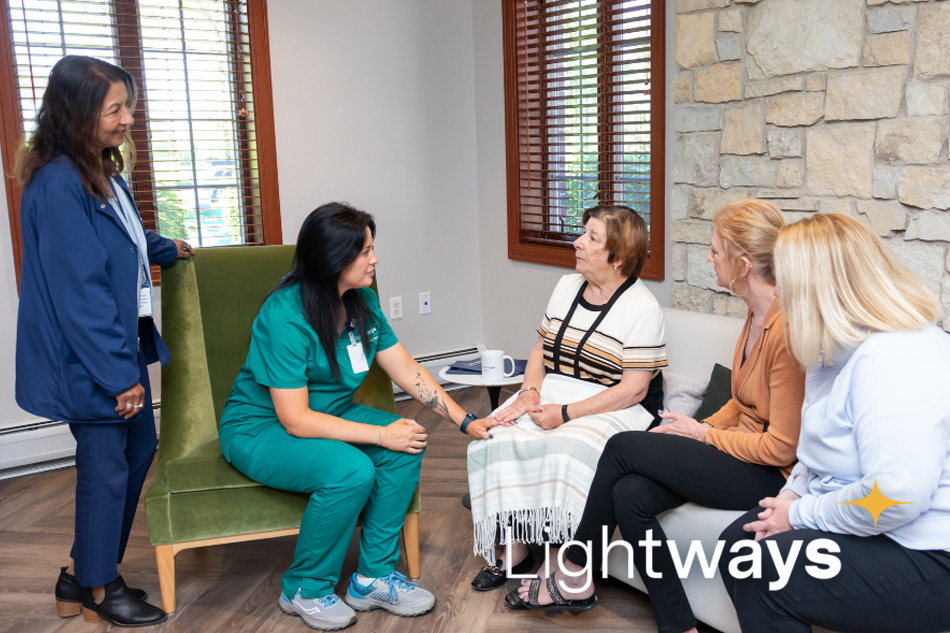
When someone is facing a life limiting illness, their needs extend far beyond medical care alone. Hospice care honors this reality by bringing togethera team of professionalsand volunteers from many disciplines to care for the whole person. This model, known as an interdisciplinary team, is one of the reasons hospice care is so effective and meaningful for both patients and families.
Caring for the Whole Person
Hospice care is not just about managing symptoms; it is about honoring each individual’s physical, emotional, spiritual, and social needs. An interdisciplinary team works collaboratively to ensure that no part of a person’s experience is overlooked. Each team member brings unique expertise and perspective, creating a circle of care that surrounds patients and their loved ones with support, dignity, and compassion.
How Each Team Member Plays a Role
Physicians and Nurse Practitioners
Hospice physicians and nurse practitioners oversee medical care, focusing on comfort and quality of life. They manage pain and symptoms, adjust medications, and guide care decisions in alignment with the patient’s goals and wishes.
Nurses
Nurses are often the primary point of contact for patients and families. They provide hands-on care, monitor changes, educate caregivers, and offer reassurance during uncertain moments. Their presence brings both clinical expertise and compassionate support.
Certified Nursing Assistants (CNAs)
Certified Nursing Assistants provide essential personal care, including bathing, grooming, oral care, and assistance with feeding and movement. They help patients remain comfortable and dignified, and often form close, trusting relationships with those they serve.
Social Workers
Social workers support the emotional and practical needs of patients and families. They help navigate difficult conversations, provide counseling, connect families with resources, and assist with advance care planning and decision-making.
Chaplains
Chaplains provide spiritual and emotional support that respects each person’s beliefs, values, and traditions. Whether someone seeks comfort, meaning, or simply a listening presence, chaplains offer support without judgment or expectation.
Volunteers
Hospice volunteers bring the gift of presence. They may offer companionship, provide respite for caregivers, share music or conversation, or simply sit quietly with a patient. Their time and kindness make a profound difference.
Integrative Therapists
Integrative therapies such as massage, music, and aromatherapy can ease symptoms, reduce anxiety, and promote relaxation. These gentle therapies support emotional well-being and enhance comfort in meaningful ways.
Working Together for Better Care
What makes hospice care truly unique is not only the team, but also how the team works together. Interdisciplinary team members meet regularly, share insights, and coordinate care so that patients and families receive consistent, thoughtful support. This collaboration ensures that care is personalized and responsive as needs evolve.
Support for Families, Too
Hospice care recognizes that serious illness affects the entire family. The interdisciplinary team provides education, guidance, emotional support, and reassurance—before, during, and after a loved one’s death—helping families feel supported every step of the way.
Compassion in Action
An interdisciplinary team reflects hospice’s commitment to dignity, comfort, and compassion. By blending medical expertise, emotional support, spiritual care, and human connection, hospice care helps patients live as fully as possible and supports families through one of life’s most meaningful journeys.
Questions About Hospice Care?
If you or someone you love has questions about hospice care, an interdisciplinary hospice team is here to help—every step of the way.
Contact Lightways Hospice and Serious Illness Care today for more information at 815.740.4104 or click here.